Blog

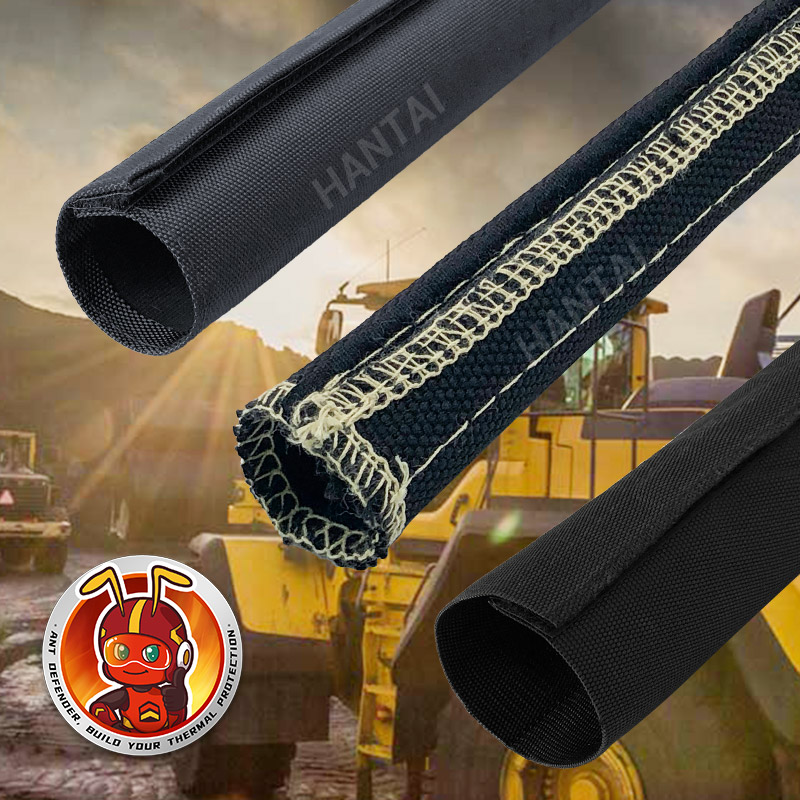
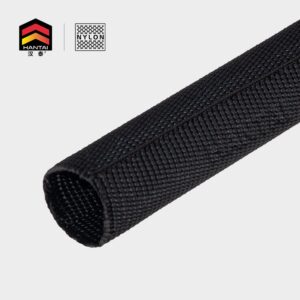
Hantai is the professional manufacturer of Nylon / Textile hose sleeves against abrasion & burst. Our products have been accepted by MSHA, available in a wide size range and Velcro sleeve for big ID.

What-Makes-Nylon-Sleeving-So-Incredible
Hantai

What Makes Nylon Sleeving So Incredible?

What Makes Nylon Sleeving So Incredible? In the world of industrial and electronic parts, Nylon Sleeving may seem unremarkable, but it’s crucial for system smooth operation. Its amazing properties make it indispensable in many areas, from wire protection to mechanical support. Superb Abrasion Resistance Nylon Sleeving excels in abrasion resistance.
Read More»
Nylon-Sleeves-Protect-High-Voltage-Wiring-in-New-Energy-Vehicles
Hantai

How Do Nylon Sleeves Protect High-Voltage Wiring in New Energy Vehicles?

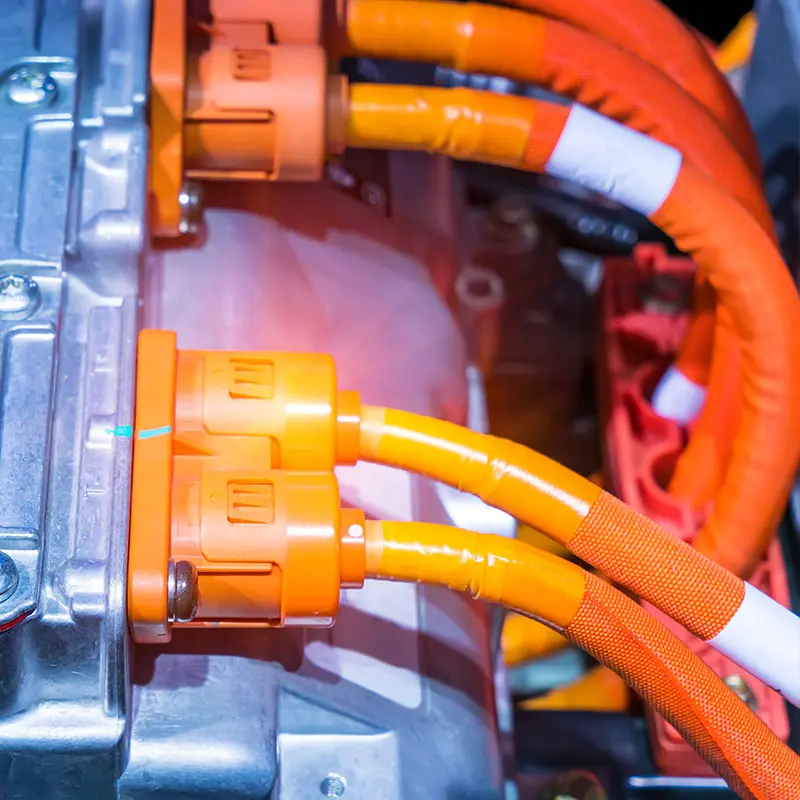
How Do Nylon Sleeves Protect High-Voltage Wiring in New Energy Vehicles? The global new energy vehicle (NEV) market continues to expand, with strong sales growth projected for the coming years. High-voltage wiring harnesses play a critical role in transmitting power to key components such as motors and batteries. These harnesses

Read More»
End-Constant-Hose-Replacement-with-Nylon-Protective-Sleeve
Hantai

End Constant Hose Replacement with Nylon Protective Sleeves

End Constant Hose Replacement with Nylon Protective Sleeves Hose failure might be inevitable, but frequent replacement doesn’t have to be. For operations relying on hydraulic and pneumatic systems, the cycle of abrasion, leaks, and downtime represents a recurring cost that can be strategically managed. The solution isn’t to buy more

Read More»
Hantai-Nylon-Sleeves-–-The-protective-sleeve-for-Hydraulic-Hoses
Hantai

Hantai Nylon Sleeves – The protective sleeve for Hydraulic Hoses

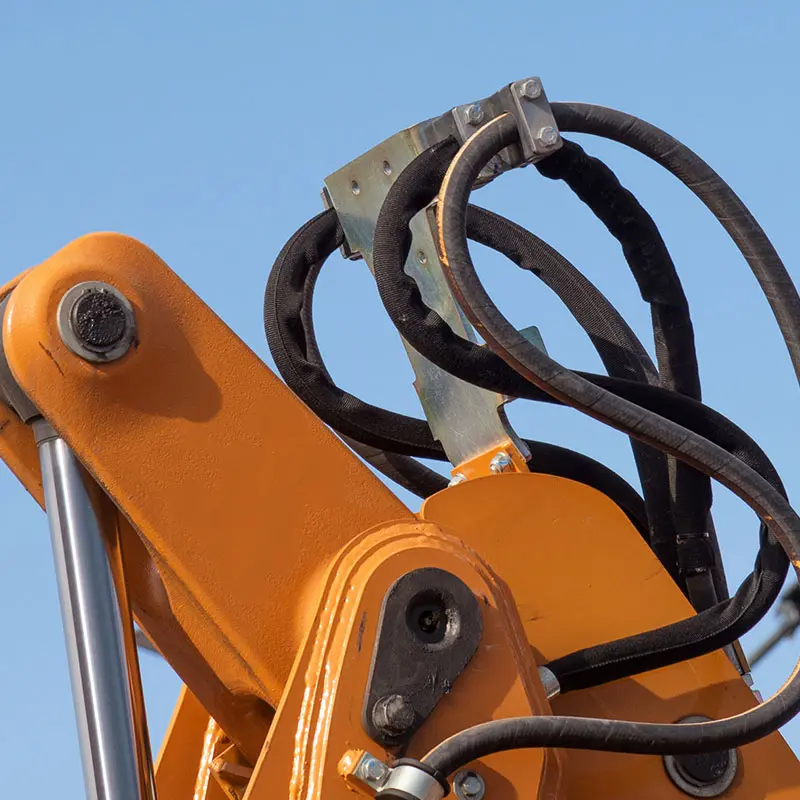
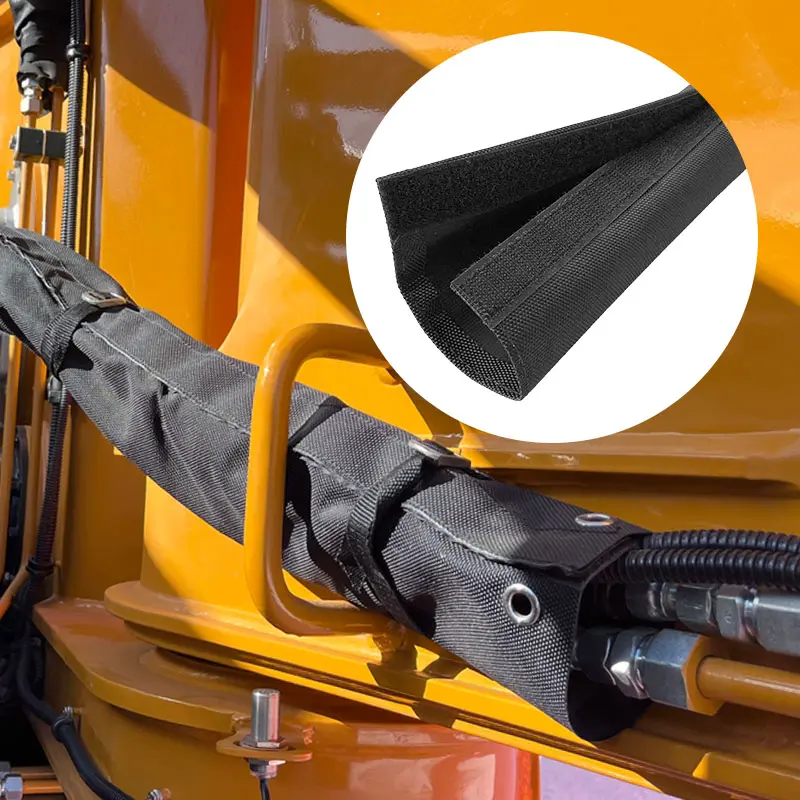
Hantai Nylon Sleeves – The premium protective sleeve for Hydraulic Hoses In machinery, agriculture, and mobile equipment, hydraulic hoses serve as lifelines—yet relentless exposure to abrasion, UV rays, and chemicals threatens their durability, leading to costly leaks and downtime. Hantai Nylon Sleeves offer a lightweight, high-performance protective sleeve solution with

Read More»
Hantai-Nylon-Sleeve-Successfully-Passed-ISO-8031
Hantai

Hantai Nylon Sleeve Successfully Passed ISO 8031

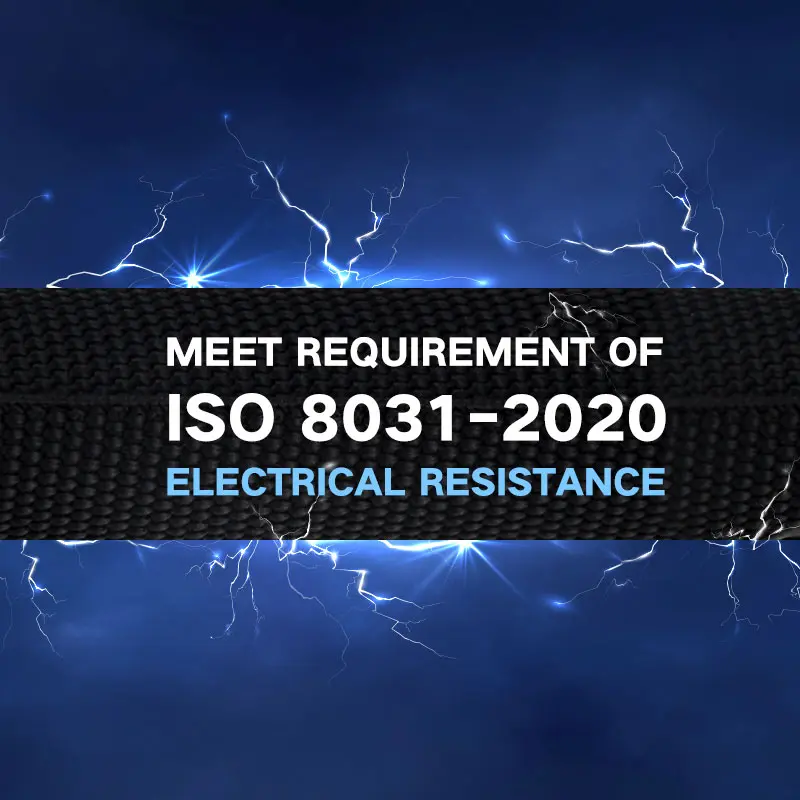
Hantai Nylon Sleeve Successfully Passed ISO 8031 Statistics show that approximately 15% of global industrial accidents are related to electrical system failures, with insulation material failures accounting for 30% of these incidents. In critical fields such as new energy vehicles, high-voltage equipment, and petrochemicals, the electrical performance of protective sleeves

Read More»
Hantai-Nylon-Sleeve-Certified-by-ISO-6945
Hantai

50,000 Friction Cycles, Zero Wear: Hantai Nylon Sleeve Certified by ISO 6945

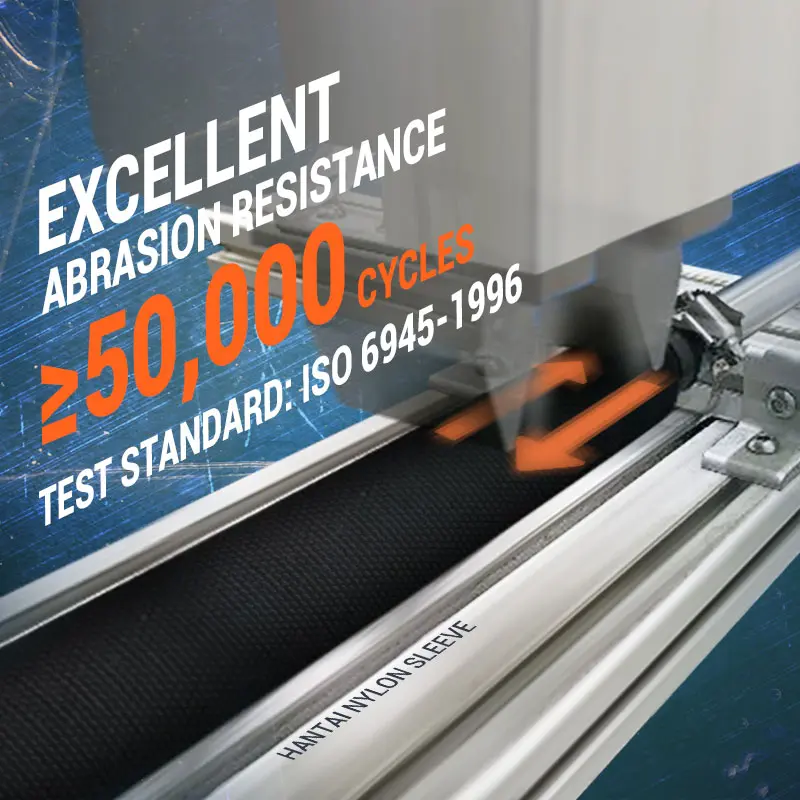
50,000 Friction Cycles, Zero Wear: Hantai Nylon Sleeve Certified by ISO 6945 Can Your Equipment Withstand 50,000 Friction Cycles? Hantai’s Nylon Sleeve has passed the ISO 6945 abrasion resistance certification, a globally recognized standard, demonstrating its exceptional durability. ISO 6945, established by the International Organization for Standardization (ISO), evaluates the

Read More»
How-can-we-protect-hydraulic-hoses-from-abrasion
Hantai

How can we protect hydraulic hoses from abrasion?

In complex and ever-changing industrial environments, hydraulic hoses are crucial components for fluid transmission, and their stability and durability directly impact the operating efficiency and safety of the entire system. However, during operation, the hose will inevitably rub against machine parts, brackets, pipelines, and other objects. This continuous physical contact

Read More»
What-is-Self-closing-Polyester-Sleeving
Hantai

What is Self-closing Polyester Sleeving?

Self-closing Polyester Sleeving is woven from a blend of polyester monofilaments and multifilaments. With an operating temperature range of -40°F to 302°F (-40°C to 150°C), it is suitable for a wide variety of environmental conditions. This sleeving can automatically enclose wires, cables, or various components without the need for additional

Read More»
Scroll to Top